Sex Trafficking, Coercion, and Survivor Support | Janna Piper
Sex trafficking is one of those topics most people understand in the broadest possible way.
They know it is horrible.
They know it exists.
But a lot of people do not understand how it actually works, how often manipulation is involved, how vulnerable people are targeted, and why victims may not always recognize what is happening to them while they are still inside it.
In this episode of Maxwell’s Kitchen, I talk with Janna Piper about sex trafficking, human trafficking, coercion, survivor support, Portland-area resources, and why awareness matters.
This is a heavy conversation, but the goal is not fear or sensationalism. The goal is to understand the real version a little better: how people are targeted, how trust is exploited, how trauma complicates recovery, and how support systems can help people find a way out.
In This Episode
Sex trafficking and human trafficking
Domestic minor sex trafficking
Coercion, manipulation, and Romeo pimps
Why trafficking is often misunderstood
Why kidnapping is not the only model
Vulnerability, poverty, foster care, and trauma
Homelessness and survivor support
Labor trafficking and documentation control
Sex work laws and worker protections
Strip clubs, independent contractors, and exploitation
Pornography, consent, and online platforms
Backpage, OnlyFans, and age verification
Substance abuse and trafficking
Portland-area survivor resources
Education, prevention, and awareness
Guest
Janna Piper
Human Trafficking Awareness Advocate
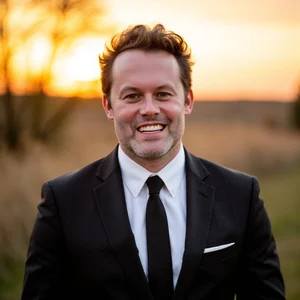
Janna Piper is a professional pet sitter and dog walker, personal trainer, boxing and self-defense instructor, MMA fighter, poler, author, musician, composer, audio engineer, and longtime advocate for education and awareness around human trafficking.
She was a member of the Junior League of Portland’s Stop Human Trafficking Committee for 9 years.
If You Need Help
If you or someone you know may be experiencing trafficking, contact the National Human Trafficking Hotline.
Call: 1-888-373-7888
Text: 233733
Website: https://humantraffickinghotline.org/
If someone is in immediate danger, call 911.
Why This Conversation Matters
One of the most important points Janna makes is that trafficking does not always look like the version people imagine.
It is not always a stranger kidnapping someone from a parking lot.
Sometimes it is a relationship. Sometimes it is a fake job offer. Sometimes it is a person pretending to care. Sometimes it is someone exploiting poverty, housing instability, addiction, immigration status, childhood trauma, foster care, or the need to be loved.
That is what makes it so hard to see from the outside.
And sometimes from the inside.
Janna talks about coercion, grooming, and the way traffickers can slowly shape someone’s reality until the victim does not fully recognize the situation as trafficking.
That is one of the hardest parts of this episode, and probably one of the most important.
Romeo Pimps, Coercion, and False Relationships
A major part of the conversation focuses on Romeo pimps, or traffickers who use romance, attention, emotional dependency, and promises of a future to manipulate someone.
That can start as what looks like a relationship.
Then it changes.
The trafficker may start asking for favors, introducing pressure, controlling money, using threats, isolating the victim, or convincing them that exploitation is part of love, loyalty, or survival.
It is deeply manipulative, and that is the point.
This is not just about physical control.
It is psychological control.
Vulnerability and Targeting
Janna also talks about why certain people are more vulnerable to trafficking.
That includes young people, foster youth, people experiencing homelessness, people with childhood trauma, people in poverty, people with addiction histories, immigrants, and people who do not have strong support systems around them.
The common thread is not weakness.
It is vulnerability.
A trafficker looks for a need and then uses that need as leverage.
That is why prevention is not only about catching bad people after the damage is done. It is also about reducing the conditions that make people easier to exploit in the first place.
Survivor Support and Portland Resources
Janna explains that her work has focused more on education, awareness, and supporting organizations than working directly with survivors.
That distinction matters.
Not everyone is suited for direct survivor care, and Janna is honest about that. Survivor support requires trauma-informed training, consistency, patience, and the right kind of presence.
She talks about the Junior League of Portland, the Stop Human Trafficking Committee, the Essentials Drive, and organizations in the Portland area that support survivors, people experiencing homelessness, foster youth, and vulnerable communities.
Resources Mentioned
National Human Trafficking Hotline
https://humantraffickinghotline.org/
Junior League of Portland
https://www.jlpdx.org/
Rose Haven
https://rosehaven.org/
Raphael House
https://raphaelhouse.com/
New Avenues for Youth
https://newavenues.org/
A Village for One
https://www.avillageforone.org/
Rahab’s Sisters
https://rahabs-sisters.org/
Rebecca Bender Initiative
https://rebeccabender.org/
National Center on Sexual Exploitation
https://endsexualexploitation.org/
Why Awareness Is Not Nothing
There is a line in the episode that sticks with me: illicit activity thrives in the dark.
That is the practical reason awareness matters.
Talking about trafficking does not fix it by itself. A podcast episode does not rescue someone. A social post does not solve a system this complicated.
But silence helps the wrong people.
Awareness helps people recognize signs earlier. It helps people understand that trafficking can involve coercion, manipulation, and control, not just kidnapping. It helps people support organizations doing the work. It helps victims and survivors hear language for something they may not have fully understood yet.
That matters.
Sex Work, Worker Protections, and Exploitation
This conversation also gets into the complicated debate around sex work, legalization, demand, worker protections, strip clubs, independent contractors, and trafficking.
It is not a simple section.
Janna’s concern is that legalization alone does not automatically protect vulnerable people or stop trafficking. She argues that any discussion about sex work has to include worker power, safety, consent, exploitation, and the reality that trafficked people can move through systems that appear legal on the surface.
Whether someone agrees with every piece of that argument or not, the important point is clear: the people most at risk need more protection, not less.
Online Exploitation, Pornography, and Consent
The episode also covers online exploitation, pornography, consent, age verification, Backpage, OnlyFans, PornHub, and the risks created when platforms do not properly verify age, identity, and consent.
This part of the conversation is uncomfortable, but it is worth having.
Technology can make exploitation easier to distribute, harder to remove, and harder to prove. AI and deepfakes may make that even more complicated.
That does not mean the internet is the whole problem.
It means any serious conversation about trafficking now has to include digital platforms, verification, consent, and accountability.
Prevention and Support Systems
Toward the end, we talk about prevention.
Not just rescue.
Prevention means reducing vulnerability. That can include stable housing, healthcare, mental health care, addiction recovery, living wages, support for foster youth, survivor services, and stronger worker protections.
Trafficking does not happen in a vacuum.
It grows where people are isolated, desperate, unsupported, or easier to control.
That is the part that should make everyone pay attention.
Quick Takeaways
Sex trafficking is often misunderstood.
Kidnapping is not the only model.
Coercion, grooming, manipulation, and false relationships are major parts of how trafficking can happen.
Vulnerable people are targeted because traffickers exploit needs.
Survivors may not always recognize what is happening while they are still inside it.
Trauma-informed support matters.
Portland has organizations working with survivors and vulnerable communities.
Awareness is not everything, but it is not nothing.
Online platforms, age verification, and consent are part of the modern trafficking conversation.
Prevention means reducing vulnerability before exploitation happens.