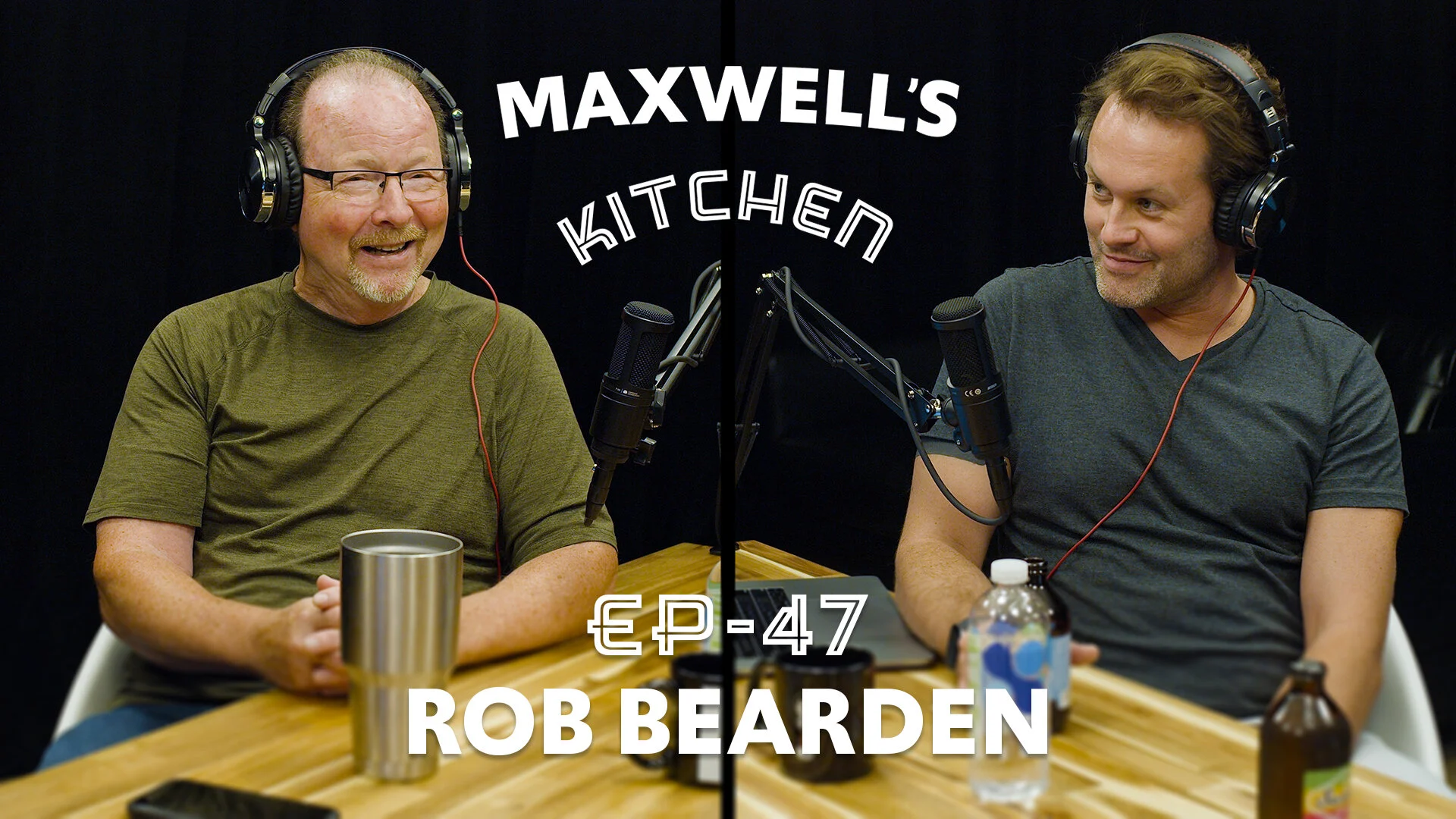
When Rob Bearden considers going to law school, he worries about how old he’ll be when he finishes. His dad points out that he’ll reach that age either way.
Rob graduates at 41. By then, his working life has already included the Navy, radio, advertising, owning a hair salon, and marketing for a construction company. A law degree becomes another turning point, but the next opportunity takes him somewhere he doesn’t expect: the Portland Art Museum.
Rob is also my former boss. We work together at the museum for about six years, and his willingness to give me a chance helps change the direction of my career.
This conversation follows the people, decisions, and unexpected openings behind his working life. We also discuss mediation, managing employees, museum operations, and the balance between trying something new and meeting the responsibilities you already have.
In This Episode
• Changing careers and graduating from law school at 41
• Joining the Navy with a plan that doesn’t work out
• Moving from radio into advertising
• Owning a hair salon in Southern California
• Event promotion and joining the Portland Art Museum
• Managing people and giving employees room to grow
• Workplace mediation and balancing power
• Facilitating difficult child-welfare meetings
• Driving Uber as a way to recharge
• Museum funding, staff pay, and popular exhibitions
• Family responsibilities, retirement, and starting again
Meet Rob Bearden
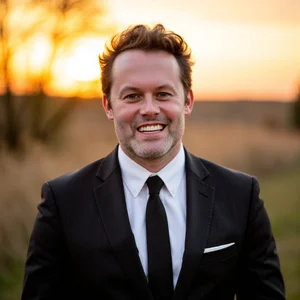
Rob Bearden is a mediator whose background spans creative work, business ownership, event promotion, and museum operations. He spends 21 years at the Portland Art Museum, where much of his work involves helping people with different roles and expectations move in the same direction.
Relationships connect the different chapters of his career. Someone notices a skill, makes an introduction, or suggests a possibility he hasn’t considered.
Looking back, Rob recognizes that working with people is the consistent part, even when the job itself changes completely.
A Creative Career Takes an Unexpected Turn
Rob initially joins the Navy hoping to use his artistic abilities as a draftsman. Once he reaches boot camp, he learns that the service needs other specialties. He ends up learning to build bombs and missiles for aircraft.
After leaving the Navy, he still wants a creative outlet. He gets into radio by selling advertising time, then eventually has an opportunity to work on air.
That leads to another introduction. Someone at an advertising agency notices his copywriting and offers him a job. Rob wants to become a creative director, but along the way he discovers other work he enjoys and does well.
Moving Without a Job Lined Up
Rob and his wife eventually leave Oregon for Southern California. They sell their house, load a truck, and head south looking for better weather and new opportunities.
San Diego becomes the destination, but finding agency work proves difficult.
A conversation with a family acquaintance introduces an unexpected possibility: owning a hair salon. Before buying a business, Rob goes to cosmetology school and learns to do the work himself.
He eventually owns a salon in Mission Viejo. Years later, when he wants to move on, a client provides the connection to a construction company that needs his marketing skills.
The jobs look unrelated on paper. In practice, each one puts him in contact with someone who helps open the next door.
Going to Law School and Graduating at 41
The suggestion to study law comes from another acquaintance, a former touring musician who is attending law school himself.
Rob is skeptical. He doesn’t know much about the profession, and the time involved makes the decision feel bigger. Encouragement from his dad helps him reconsider.
He takes an LSAT preparation course, applies to schools, and moves back to Oregon to attend Lewis & Clark.
By graduation, his family has grown. The immediate challenge is earning enough to support them, so he returns to marketing rather than following the conventional path he might have imagined when enrolling.
His account of changing careers at 40 includes the opportunity, the effort, and the financial responsibilities waiting on the other side.
How an Events Job Becomes 21 Years at the Museum
Working near a friend’s Ticketmaster business brings Rob into contact with promoters who need local marketing and event support. He handles advertising, promotional materials, and show accounting. He also helps organize a beer festival.
An introduction brings the Portland Art Museum into his client list. What begins as freelance marketing becomes a full-time position, then expands into operations.
Rob expects to stay for a few years. He stays for 21.
The museum also creates the opportunity for him to use skills that interest him in law school: helping people resolve disagreements and understand each other’s priorities.
Giving Employees a Reason to Care
Rob describes the challenge of connecting museum departments whose work and expectations can feel far apart.
A successful exhibition depends on curatorial expertise, but it also depends on people preparing galleries, maintaining the building, and making the experience work for visitors. Helping employees see their contribution gives them something to take pride in.
That approach matters in my own experience working for him.
When I become interested in photography, graphics, and video editing, Rob helps make room for that work. He gives me the opportunity to learn and take responsibility rather than prescribing every step.
I also bring up an office with worn-out carpet. When I ask about replacing it, his response is to ask whether I would consider it worth spending my own money. The conversation stays with me because he lets me exercise judgment.
Mediation and Difficult Conversations
Rob becomes interested in alternative dispute resolution during law school. He eventually builds a mediation practice alongside his museum work and continues after leaving the institution.
Much of his interest is in workplace disputes, including disagreements between supervisors and employees. He talks about helping people identify whether they share an objective, whether the relationship can work, and what is getting in the way.
His work also expands into facilitating child-welfare meetings involving parents and caseworkers. Rob describes bringing a third party into emotionally difficult conversations so participants have a chance to be heard.
Why He Drives Uber to Recharge
The emotional weight of child-welfare work follows Rob home.
A caseworker suggests something unexpected: driving airport Uber trips to spend time talking with people who aren’t in the middle of a crisis.
Rob tries it and enjoys it. Conversations with travelers who are excited about a trip or returning from vacation provide a different kind of interaction.
For him, a change of pace still involves people. It gives him room to reset before returning to more demanding conversations.
Staying When Your Family Needs Stability
Rob’s story also includes years when changing jobs isn’t the right choice.
He explains that he feels ready to leave the museum well before he actually does. By then, his family needs stability, and his wife has already worked hard to help support his time in law school.
He stays and recognizes what the job makes possible.
We discuss work ethic, family responsibilities, retirement, and the difference between enjoying varied experiences and building a predictable career. Rob remains interested in trying new things, including jobs he couldn’t previously afford to consider.
Behind the Scenes at the Portland Art Museum
The second half explores our experiences at the museum, including staff pay, limited advancement, donor support, and the pressure to bring in major exhibitions.
Rob approaches the museum partly as an entertainment venue. We discuss the tension he encounters between attracting a broad audience and meeting curatorial and educational priorities.
Car exhibitions become one example of that debate. We also revisit projects that give visitors something enjoyable to participate in, including a photo booth we work on together.
Later, the conversation turns to changing workplace language, intent versus impact, and Rob’s views on maintaining impartiality as a mediator.
Useful Links
Watch This Episode on YouTube
The full conversation with Rob Bearden.
https://www.youtube.com/watch?v=CTCRLTePMdI
More Interviews
Explore conversations about creative work, careers, relationships, and different ways of seeing the world.
https://maxwellskitchenpodcast.com/podcast/interviews
Maxwell’s Kitchen
Browse the show and episode archive.
https://maxwellskitchenpodcast.com
More Interviews
Why Music Hits Different as You Get Older | Dallas Breed
A conversation about musical taste, making a living as a musician, and staying open to different perspectives.
https://maxwellskitchenpodcast.com/maxwells-kitchen-podcast/2021/09/22-episode-48-dallas-breed
Woodworking, Furniture Making, and Creativity with Gary Rogowski
Explore creative work and the craft of making furniture with woodworker Gary Rogowski.
https://maxwellskitchenpodcast.com/maxwells-kitchen-podcast/2023/05/22-episode-113-gary-rogowski-the-art-of-woodworking