A song can sound completely different without a single note changing. Something you heard a hundred times as a kid suddenly catches your attention, or an old record takes you straight back to a particular person, place, or questionable decision.
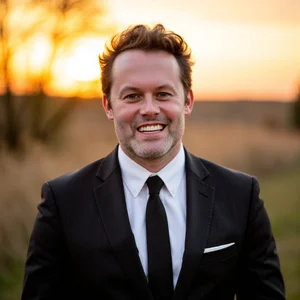
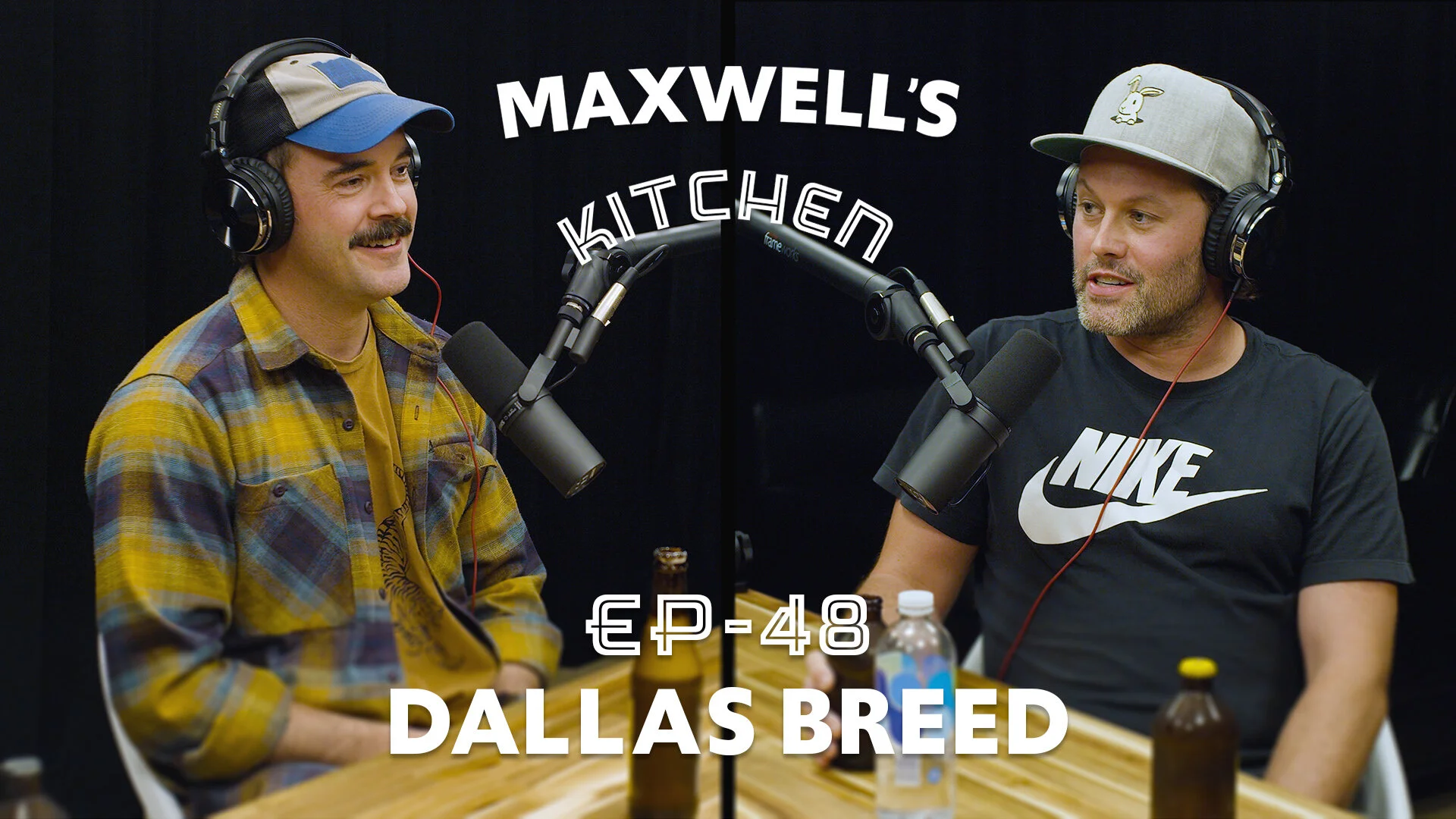
Musician Dallas Breed joins me to talk about music and nostalgia, changing taste, and the songs we like even when we think we’re supposed to know better. Dallas is my friend and someone I work with around town. Our conversations tend to go somewhere I don’t expect, and this one starts with bad wedding speeches before making its way through blues guitar, electronic music, political tribalism, and cryptocurrency.
The connection throughout is curiosity: hearing something differently, questioning what feels familiar, and being willing to consider another perspective.
In This Episode
• Best man speeches, stage fright, and performing under pressure
• Rediscovering songs as you get older
• Musical guilty pleasures and judging entire genres
• Blues guitar, electronic music, and classical composition
• Music, nostalgia, and memories of growing up
• Making a living playing gigs
• Quantized drums and the appeal of imperfect recordings
• Growing up in Arkansas and moving to the West Coast
• Political tribalism and inherited beliefs
• Automation, cryptocurrency, and the future of work
Meet Dallas Breed
Dallas Breed is a musician originally from Arkansas who now lives in the Pacific Northwest. He plays guitar and talks about the years he spends developing his blues playing, his interest in older musical traditions, and his efforts to understand sounds outside his usual listening habits.
He is also someone who can take a casual question and find an angle I haven’t considered. That makes him a good person to sit down with when the plan is to follow a conversation wherever it goes.
Dallas also provides the opening music for this episode.
Best Man Speeches and Stage Fright
We begin with the kind of performance neither of us is especially eager to repeat: giving a best man speech.
Knowing how to use a microphone doesn’t necessarily help when you’re suddenly standing in front of a wedding crowd. We compare experiences of trying to improvise, struggling to find the words, and realizing that everyone can feel how awkward it is getting.
That leads into performing music. Dallas talks about being uncomfortable onstage despite having played plenty of shows. Wanting to make music and enjoying the attention of a room are different things, even when they’re part of the same job.
Songs You’re Not Supposed to Like
I’ve been listening to Aerosmith and noticing things I don’t remember appreciating when I was younger. Dallas brings up revisiting Vanilla Ice, which takes us into the songs people hesitate to admit they enjoy.
Mariah Carey and Hootie & the Blowfish come up as examples. The interesting question is what happens when you actually listen instead of worrying about what liking a particular artist says about you.
Dallas makes a distinction between disliking a genre and being able to recognize a good example of it. Even unfamiliar music can be interesting when you hear the effort and intention behind it.
We don’t agree about every kind of music. Dallas has strong feelings about modern country, particularly the version of country identity he feels is packaged and sold. But that disagreement is part of the conversation.
Learning to Appreciate a Different Sound
Dallas talks about working on blues guitar until he can express what he hears in his head, then confronting the difficulty of finding an audience for it.
Rather than dismissing everything outside that tradition, he starts listening more closely to electronic music. We discuss composition, sound design, and the physical experience of bass, alongside the melody and harmony that draw him toward other styles.
There is also a detour into the 1812 Overture and what might be the best job title in an orchestra: the person responsible for the cannons.
From there, we get into Beethoven, tempo, and how much a performance can change when the same notes are played differently.
Why Older Music Brings Back So Much
Dallas compares hearing certain older songs to catching a familiar smell. The music brings back a time and place before you have deliberately tried to remember either.
We talk about the songs tied to being young, hanging out with friends, and having experiences that feel enormous at the time. Later, those records carry something beyond the music itself.
Dallas also describes growing up around his grandparents’ music, including big band and Texas swing. His idea of an old favorite doesn’t always line up with what people his own age are listening to.
That leads into a different kind of connection: music shared across generations. Dallas brings up New Orleans, where the appeal of a performance can be about joining what is happening in the street right now.
Does a Perfect Recording Lose Something?
Our conversation about quantizing drums gets into the difference between precision and feel.
I bring up a video comparing tightly controlled tempos with recordings where the speed moves around. Dallas talks about musicians playing slightly around the beat and how those interactions contribute to a groove.
The Pizza Tapes becomes another example. Dallas likes hearing Jerry Garcia, David Grisman, and Tony Rice make mistakes, restart songs, and laugh. Those moments make accomplished musicians feel human.
We also discuss the expectations created by polished recordings and how different it can feel to hear the same music in a room. The question is how production choices affect what we enjoy, rather than whether every recording should sound the same.
Making a Living Without Becoming Famous
Both of us recognize the younger ambition of wanting to be in a band and make it big. Dallas talks about the more modest goal of getting by through playing music, and how difficult even that can become.
We discuss bar gigs, volume, audiences, and the challenge of playing for people who may have come primarily to talk with their friends.
The internet creates more ways to release music, but finding listeners remains its own job. Dallas brings up independent musicians building an audience through creative approaches to promotion.
From Musical Taste to Political Beliefs
The second half moves beyond music into Dallas’s experiences growing up in Arkansas and feeling out of place.
We talk about the influence of family, community, and the assumptions you grow up surrounded by. Dallas uses Plato’s allegory of the cave to explain how difficult it can be to recognize the limits of your own perspective.
The discussion includes political division, Portland rallies, and the frustration of conversations where nobody seems willing to consider another view. Dallas describes trying to understand people he disagrees with while remaining clear about his own objections.
We also get into automation, what happens when jobs change, and possibilities Dallas sees in blockchain and smart contracts. These are ideas we explore together, with questions and speculation throughout.
Useful Links
Watch This Episode on YouTube
The full conversation with Dallas Breed.
https://www.youtube.com/watch?v=fcBXKkcGCXk
More Interviews
Explore conversations with musicians, artists, researchers, and other guests.
https://maxwellskitchenpodcast.com/podcast/interviews
Maxwell’s Kitchen
Browse the full show and episode archive.
https://maxwellskitchenpodcast.com
More Interviews
Sam Coomes on Quasi, Elliott Smith & Portland’s ’90s Music Scene
More conversation about making music and the people and places behind it.
https://maxwellskitchenpodcast.com/maxwells-kitchen-podcast/2022/09/07-episode-88-sam-coomes
Recording Bands, Audio Engineering, and Studio Life | Adam Lee
A look at recording music and the work behind a finished record.
https://maxwellskitchenpodcast.com/maxwells-kitchen-podcast/2023/02/28-episode-108-adam-lee