Ashlen Hilliard helped a mother leave a polygamist group with her two babies. They got out, but the fear came with them. During the journey afterward, the woman became terrified that God would strike her and her children dead for leaving.
She eventually returned to the group.
When I ask Ashlen how she handles something like that, she talks about autonomy. Her work is meant to help people recover the ability to make their own decisions, including decisions she finds heartbreaking. She can offer help and hope someone reaches out again. She cannot make their choices for them.
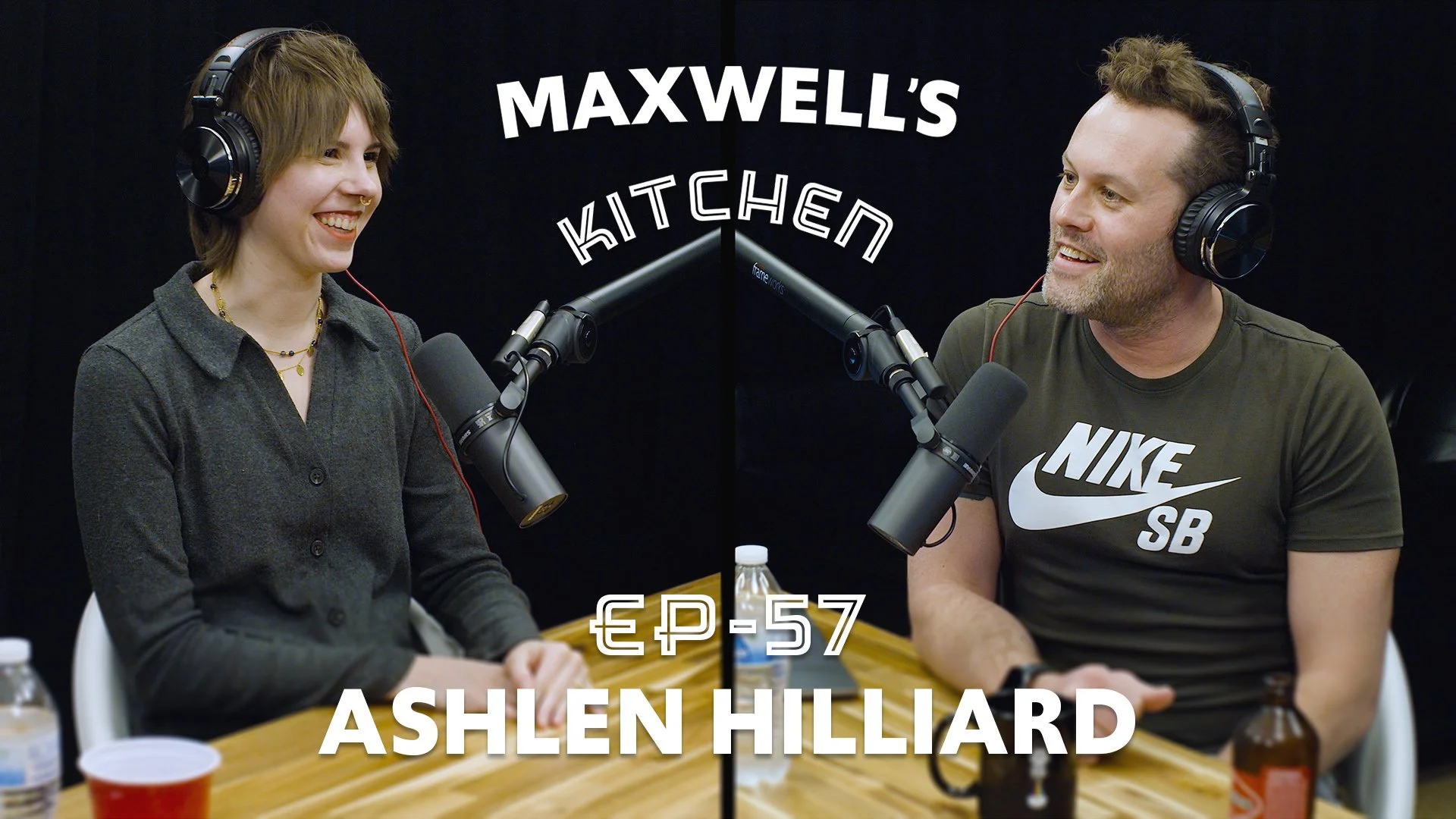
In this episode of Maxwell’s Kitchen, Ashlen shares her experience helping people leave polygamist groups in Utah, including the Kingstons and the FLDS. We also discuss her own departure from a conservative Church of Christ community, finding her voice in college, and supporting people who are trying to understand what happened to them.
Lisa Kendall connected us after coming on the show to discuss her childhood in The Move of God. Ashlen brings another perspective to the question that kept coming up in that conversation: why is leaving so much harder than it looks from outside?
In This Episode
Growing up in a conservative Church of Christ community
Childhood conversion pressure near Salt Lake City
Questioning religious interpretations and leaving her church
Helping people leave Utah polygamist groups
Ashlen’s experiences working with the Kingstons and FLDS
Surveillance concerns, fear, and returning after leaving
Education and rebuilding everyday life
Restrictions on women and queer people
Finding her voice through speech and debate
Family relationships and boundaries
Defining cults and recognizing coercive control
Recovery and community through SAFE Portland
Guest
Ashlen Hilliard
Ashlen Hilliard works as Director of Events for the International Cultic Studies Association and is studying the psychology of coercive control through the University of Salford’s MSc program.
Before moving to Portland, she worked as a case manager in Salt Lake City, helping people leave polygamist communities. She also participates in Portland’s Spiritual Abuse Forum for Education, known as SAFE, which brings people together to discuss experiences of spiritual abuse and controlling groups.
A Bubble Within a Bubble
Ashlen grew up in Kaysville, north of Salt Lake City, attending a conservative Church of Christ congregation. Most of the people around her were LDS. She describes it as living in a bubble within a bubble.
One memory from fourth grade still stands out. A classmate asked whether she was LDS. When she said no, he told her she was, but did not realize it yet.
Ashlen had close Mormon friends, but she remembers a persistent pressure to convert one another. While they hoped to bring her into their church, she felt responsible for bringing them into hers. Religious disagreement was already part of how she understood her relationships with other children.
As a teenager, she joined Christians from other congregations in evangelism outside Temple Square. The experience had an unintended effect. People who shared her belief in God and Jesus did not always share the intensity or restrictions she knew from her own church. Spending time with them gave her something to compare her upbringing against.
Finding Her Voice in College
Ashlen attended Florida College, a school her mother and grandmother had also attended. She remembers good teachers, meaningful friendships, and meeting the person she would marry. She also describes an environment where expectations about gender and sexuality left little room for her to be herself.
As a queer woman, she found those restrictions particularly difficult. She recounts limits on women’s leadership and situations where women sharing their experiences could be treated as exercising improper authority over men.
Speech and debate became an important outlet. Ashlen learned to form arguments, examine assumptions, and speak with confidence. Her now-husband encouraged her to use a voice she felt she had been taught to suppress.
Family members noticed the change when she came home. The quieter person they knew was becoming more willing to challenge things.
Ashlen does not dismiss everything about her education. She speaks warmly about women who taught her and helped her develop, even while working within rules she disagreed with. Those good experiences remain part of the story alongside the reasons she could not stay.
Leaving Did Not Feel Like Simply Changing Churches
When Ashlen left her congregation, she says some people treated it as leaving God rather than making a decision about where to worship. Meetings with church elders and an announcement to the congregation made the departure public. Afterward, she heard little from people there.
She also worried about her parents, who remained in the church. She loves them and recognizes how painful her decision was for them, even though she felt she needed to make it.
At first, she experienced a great deal of anger. With time and a better understanding of spiritual abuse, she became more interested in maintaining relationships where that was possible and healthy. Some subjects now require boundaries. Some disagreements remain unresolved.
Her experience left her wanting to help people in her own community. She found a nonprofit working with people leaving polygamist groups and became a case manager.
The Meeting That Made Her Call Police
During her second week on the job, Ashlen met a woman seeking help at a Salt Lake City café. A coworker came with her.
Ashlen describes becoming concerned that the meeting was being monitored. Men she believed were connected to the group came into the restaurant and sat nearby. The woman insisted on knowing the exact location of a safe house before agreeing to go.
Ashlen suspected they were being pressured for information that could put others at risk. She called police because she did not feel they could leave safely.
The woman declined to go with them. Ashlen says she never heard from her again.
It is one of the most unsettling stories in our conversation, and she describes it as part of work that required constant attention to safety. She also recounts having her vehicle checked for tracking devices and knowing that people within the communities recognized her.
Getting Out Was Only the Beginning
In another case, Ashlen spent months communicating with a mother before the woman was ready to leave with her two babies. Ashlen says a tracking device was found beneath the woman’s vehicle.
After leaving, the mother feared divine punishment. The physical distance had not removed the beliefs and consequences she associated with departure.
That experience helps explain Ashlen’s response when people ask why someone does not simply walk away. Leaving can mean losing family, community, familiar routines, and the future a person has been taught to expect. Someone may want help and still feel unable to continue.
Her case-management work also involved ordinary necessities that were not necessarily ordinary for the people she helped. Some needed identification documents, educational opportunities, or support entering unfamiliar institutions.
One of her happier memories is throwing a graduation party for mothers who earned their GEDs. Alongside the frightening situations, there were people gaining qualifications and finding possibilities they had not had before.
Why She Is Careful With the Word “Cult”
I ask Ashlen what defines a cult. Her answer moves quickly beyond the image of an isolated compound with a charismatic leader.
She discusses coercive control, intense demands, exploitation, and the way a group can restrict someone’s choices. In her work, those concerns can arise in religious communities, political movements, business settings, or personal relationships.
She is cautious about assigning a label before hearing someone’s experience. A person might describe a toxic church, a destructive group, or a cult. Ashlen wants to understand what happened and what help they need.
Calling someone’s community a cult may make them less willing to talk. It can also flatten experiences that contain affection, friendship, opportunity, and harm at the same time.
She knows that complexity from her own life. She found teachers she valued and met her husband at college. Those memories coexist with the restrictions that helped lead her away.
A Community Without the Demands
In Portland, Ashlen helps with SAFE meetups, creating space for people from different backgrounds to discuss spiritual abuse and controlling environments.
She appreciates the low expectations. Someone can listen quietly, sit apart from the conversation, or leave early. They do not have to tell their story to belong in the room.
Across her work, she is interested in how people were recruited, what kept them involved, and what helped them leave. Hearing similar experiences from people who belonged to entirely different groups can make an isolating history easier to discuss.
Our conversation occasionally becomes lighter, including a hypothetical knitting group that gets a little too aggressive about attendance. Ashlen is willing to follow the joke while keeping the underlying question in view: what happens when someone disagrees, misses a meeting, or decides to leave?
By the end, she describes herself as agnostic and also spiritual in a way that differs from her upbringing. She wants room to grow and change. Helping other people recover that same room to make decisions is central to the work she describes.
Useful Links
Watch Ashlen Hilliard’s Interview on YouTube
https://www.youtube.com/watch?v=tVNwoM0VnRE
SAFE Portland — Spiritual Abuse Forum for Education
https://www.safeportland.org/
International Cultic Studies Association
https://www.icsahome.com/
Explore More Maxwell’s Kitchen Interviews
https://maxwellskitchenpodcast.com/podcast/interviews
More Interviews
Lisa Kendall on Escaping The Move of God
https://maxwellskitchenpodcast.com/maxwells-kitchen-podcast/2021/11/16-episode-lisa-kendall
Lisa shares her experience growing up in The Move of God, leaving, and working to protect people harmed in coercive groups. Her recommendation brought Ashlen to this conversation.
Jaime Mathis on Leaving a Religious Cult and Starting Over
https://maxwellskitchenpodcast.com/maxwells-kitchen-podcast/2022/04/04-episode-66-jaime-mathis
Jaime discusses leaving the religious environment she describes as a cult and recognizing how inherited expectations continued shaping her decisions afterward.