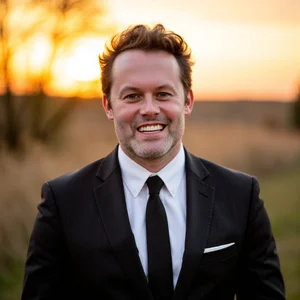
Getting a job is a fairly straightforward suggestion until someone asks you for identification you no longer have.
Bryan Kim and Zave Forster have spent time trying to help people through that problem. Through the People’s Housing Project, their work in Portland includes building emergency shelters, organizing camp cleanups, picking up needles, and getting to know the people living outside. They describe trying to replace documents, finding out what someone needs, and watching progress unravel when a camp gets swept.
In this episode of Maxwell’s Kitchen, I ask them the questions that come up whenever people talk about homelessness in Portland. Why can’t someone get a job? Would a large shelter help? Where do people go after they’re moved out of a camp? And if we had all the money and resources we needed, what would we actually do?
Their answers take us into housing, mental health, addiction, mutual aid, capitalism, and policing. We don’t agree on everything, which gives us plenty to talk about.
In This Episode
Homeless versus houseless
The People’s Housing Project in Portland
Identification, employment, and camp sweeps
Emergency shelters and housing first
Mental health, addiction, and individual support
Queer and trans youth without housing
Aging out of foster care
Relationships and community within camps
Grassroots funding and mutual aid
Portland government, policing, and public safety
Volunteering, shelter builds, and weekly cleanups
Guests
Bryan Kim and Zave Forster
Bryan and Zave join me through their work with the People’s Housing Project, a grassroots organization providing emergency shelters and support to people living in Portland’s houseless camps.
Bryan is the group’s co-founder and financial director. Both guests bring experience working with camp residents, organizing support, and talking with the public about homelessness. Their approach combines immediate help with a broader political argument about housing, private property, and who gets to make decisions about public space.
Homeless or Houseless?
Before we get very far, I ask which word we should be using.
Bryan and Zave explain why some people prefer “houseless.” A tent can still be someone’s home, even when it doesn’t provide the security or permanence of a house. Describing someone as houseless can acknowledge that distinction.
But they also remember a man who preferred “homeless” because he felt it described his circumstances more directly. They weren’t going to correct him about his own life.
That gets us past the idea that there is one universally approved word and into the more important conversation. Whatever we call it, people are living outside, and changing the vocabulary doesn’t give them somewhere safe to sleep.
Why “Just Get a Job” Gets Complicated
I put the blunt version of the question to them: why can’t someone get a job, earn money, and pay for housing?
Zave starts with identification. Replacing a missing ID can involve tracking down other documents that are also missing. Their team has tried helping people through that process and discovered how difficult it becomes when someone has very little paperwork to start with.
Bryan describes a veteran they worked with whose military discharge document was destroyed in a sweep. In his account, losing that paperwork created another obstacle to accessing help. The person still needed support, but now there was an additional problem to untangle before they could move forward.
Then there are showers, laundry, and somewhere to keep belongings. Showing up for an interview becomes considerably harder when you haven’t had a reliable place to wash yourself or your clothes. None of that means employment is irrelevant. It means getting someone into work can require help long before the application.
Where Do People Go After a Camp Sweep?
When I ask what happens after a sweep, Bryan and Zave describe people being told to move without receiving somewhere permanent to go.
They recall residents who had moved repeatedly along the same stretch of land, losing belongings and starting again nearby. From their perspective, the camp might disappear from one location while the people remain in essentially the same circumstances, with fewer possessions.
That is the distinction I keep coming back to during the conversation. Moving a problem out of sight can look like progress from the road. Whether anything has improved for the person who moved is a different question.
Their argument is that destroying shelter and essential belongings makes the next step harder. If the goal is helping someone become more stable, they want to know how repeatedly taking away what little stability exists is supposed to accomplish it.
Would One Big Shelter Solve It?
My first instinct is to imagine someone with an enormous amount of money building an enormous place to stay. Get people indoors, bring in services, and start working on the rest.
Bryan and Zave push back on the scale and the assumption that putting everyone in one facility would meet their needs. They talk about staffing, medical care, social workers, and the different circumstances of the people being brought together.
Zave also describes what becomes obvious when you spend time in a camp: people have relationships. There are friendships, partners, disagreements, and people who look out for each other. A shelter arrangement can become much less appealing if accepting it means losing those connections.
They raise concerns about rules that separate people from pets, partners, or family members. Their point is that the offer of a bed needs to be considered alongside everything a person might have to give up to accept it.
When I ask what they would do with unlimited resources, their answer involves housing alongside continuing support. They advocate a housing-first approach, with access to mental health care, addiction support, and people who can help residents navigate the next steps.
There Isn’t One Story Behind Homelessness
I ask how the people they meet ended up outside. Was there a traumatic event? An abusive childhood? Something that set everything else in motion?
Zave describes meeting a man who said he became homeless after being displaced from his apartment. They also talk about someone who aged out of foster care, young people rejected by their families, people struggling with addiction, and people whose mental health makes ordinary working life difficult.
Those stories challenge the idea that everyone arrived through the same door or will leave through the same one. Someone who recently lost housing may need a different kind of help from someone who has spent years outside without consistent care.
Bryan remembers a man who wanted to get sober so he could see his children. I ask about shame, frustration, and how people feel about their circumstances. His answer keeps returning to survival. For some of the people they know, getting through the day takes most of what they have.
The Cleanup Photos Started Looking Less Impressive
One of the most encouraging details in the episode involves trash.
Bryan says their cleanup photos used to show enormous piles. Eventually, the pictures became less dramatic, and he wondered whether the volunteers were picking up enough. They explained that there was simply less to collect because they were returning every week.
The volunteers began working farther along the trail and helping at other camps. A smaller pile was evidence that the routine was doing something.
Zave describes mutual aid as sharing resources with people who need them. In their work, that means turning donations, materials, and volunteer time into shelters and ongoing support. The weekly return matters because residents still need help after the first delivery, cleanup, or photograph.
Why They Want Small Donations Instead of a Big Sponsor
Bryan is emphatic about grassroots funding. He says the organization relies on individual contributions rather than corporate or government money because he wants its accountability to remain with the people supporting the work.
Naturally, I ask what would happen if Walmart offered an enormous donation.
His concern is what accepting it might mean for the organization’s independence. Could he still criticize the company? Could the group challenge the institutions funding it? He brings up The Revolution Will Not Be Funded as part of his argument about the influence donors can have over nonprofit work.
Whether you agree with his position or not, it explains why small recurring contributions matter to their model. They want enough people involved that the work doesn’t depend on staying acceptable to one powerful funder.
We Don’t Agree About the Police
The sharpest disagreement comes when we start talking about policing.
I argue that we need police and ask whether better recruitment, training, and priorities could improve the institution. Bryan challenges that premise, arguing that the problems are built into its structure and purpose. Zave questions whether punishment creates the kind of stability people are actually looking for.
We also disagree about how Portland feels. My perspective comes partly from working downtown and seeing changes in venues and event activity. Bryan brings his experience fundraising and talking to people around the city. Neither of us accepts the other’s account without pushing back.
Those differences belong in the episode. This is a conversation with people doing work I want to understand, including the parts of their politics I don’t share. Listening doesn’t require pretending we reached the same conclusion.
Something People Can Do Before the Whole System Changes
By the end, we return to what someone listening can contribute.
Bryan and Zave describe shelter builds, cleanups, donations, and showing up consistently. Their larger ambitions involve changing the economic and political systems around housing. Their immediate work involves helping a person stay dry, clearing trash, and finding out what a camp needs.
The cleanup story stayed with me because it offered something specific in a conversation full of enormous problems. Volunteers kept returning, and eventually there was less trash. It didn’t settle our arguments about capitalism or policing. It gave us one thing we could point to and say had improved.
If you’ve wondered what would make a difference in Portland, this conversation offers a perspective from people working directly with those living outside. Watch the episode, make up your own mind, and share it with someone you’d like to keep the conversation going with.
Useful Links
Watch This Episode on YouTube
https://www.youtube.com/watch?v=4xLMxvlNlXA
More Maxwell’s Kitchen Interviews
https://maxwellskitchenpodcast.com/podcast/interviews
More Interviews
Mark Gamba on Oregon Politics, Climate Change & Portland Government
https://maxwellskitchenpodcast.com/maxwells-kitchen-podcast/2022/05/06-episode-73-mark-gamba
Another conversation about housing, homelessness, political incentives, and why local government struggles to solve problems people can see around them.
Jason Conley on Prison, Addiction, Recovery & Education
https://maxwellskitchenpodcast.com/maxwells-kitchen-podcast/2022/07/07-episode-jason-conley
Jason shares his firsthand experience of addiction, repeated incarceration, and finding a different direction through education.